Food Security
Domestic processing capacity is infrastructure for the food supply.
Entomo Farms turns Canadian agricultural products into shelf-stable ingredients at a plant in Norwood, Ontario, and ships them to buyers at home and abroad. That is seven contributions to food security, each one something the plant does today rather than a plan.
Seven contributions
What a Canadian ingredient manufacturer adds to the food supply.
The list Entomo Farms works to, stated as present capability.
- 01
Domestic food processing capacity
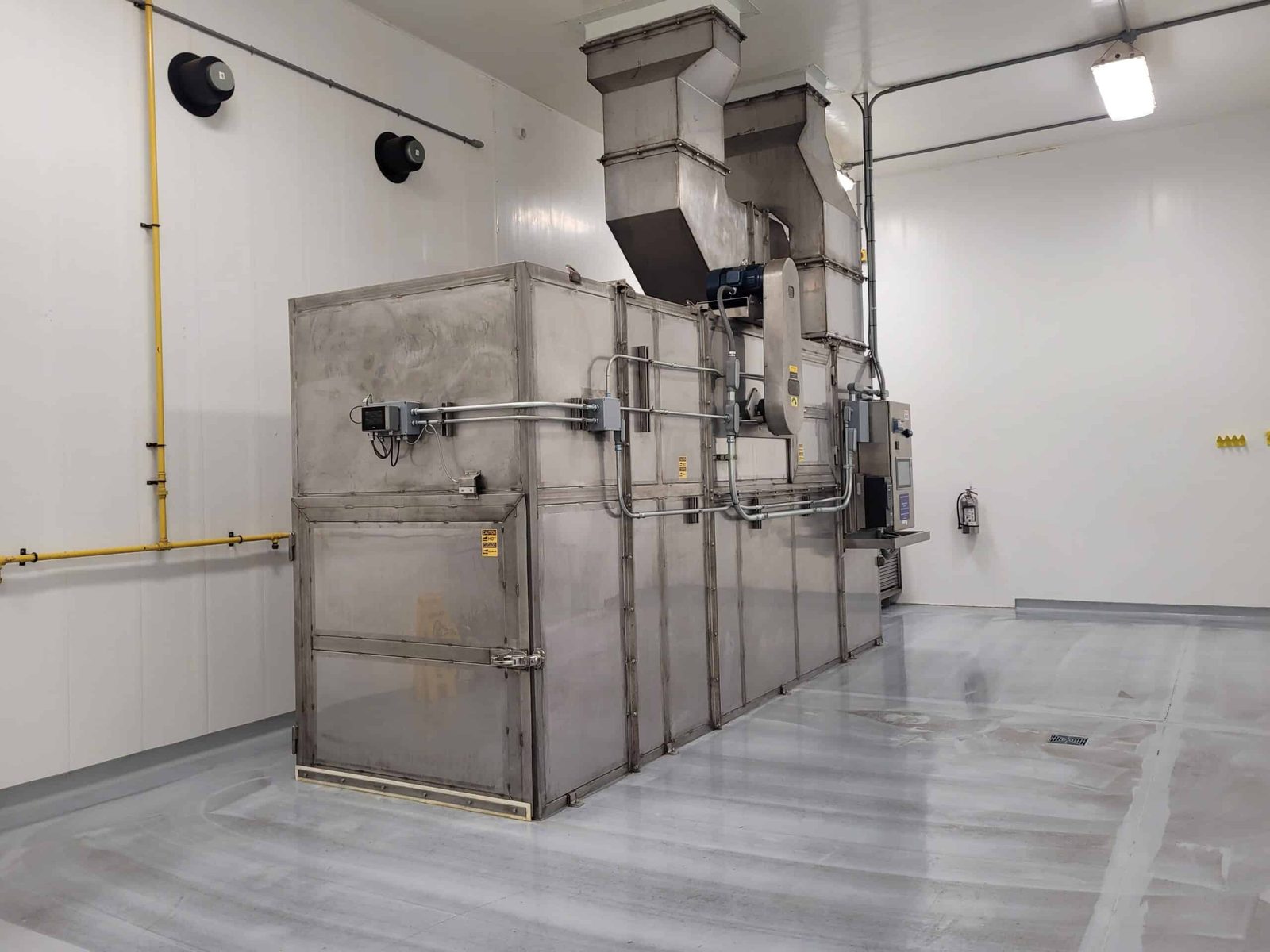
Washing, dehydration, processing, and co-packing run in Canada, in one food-grade building in Norwood, Ontario.
- 02
Shelf-stable ingredients
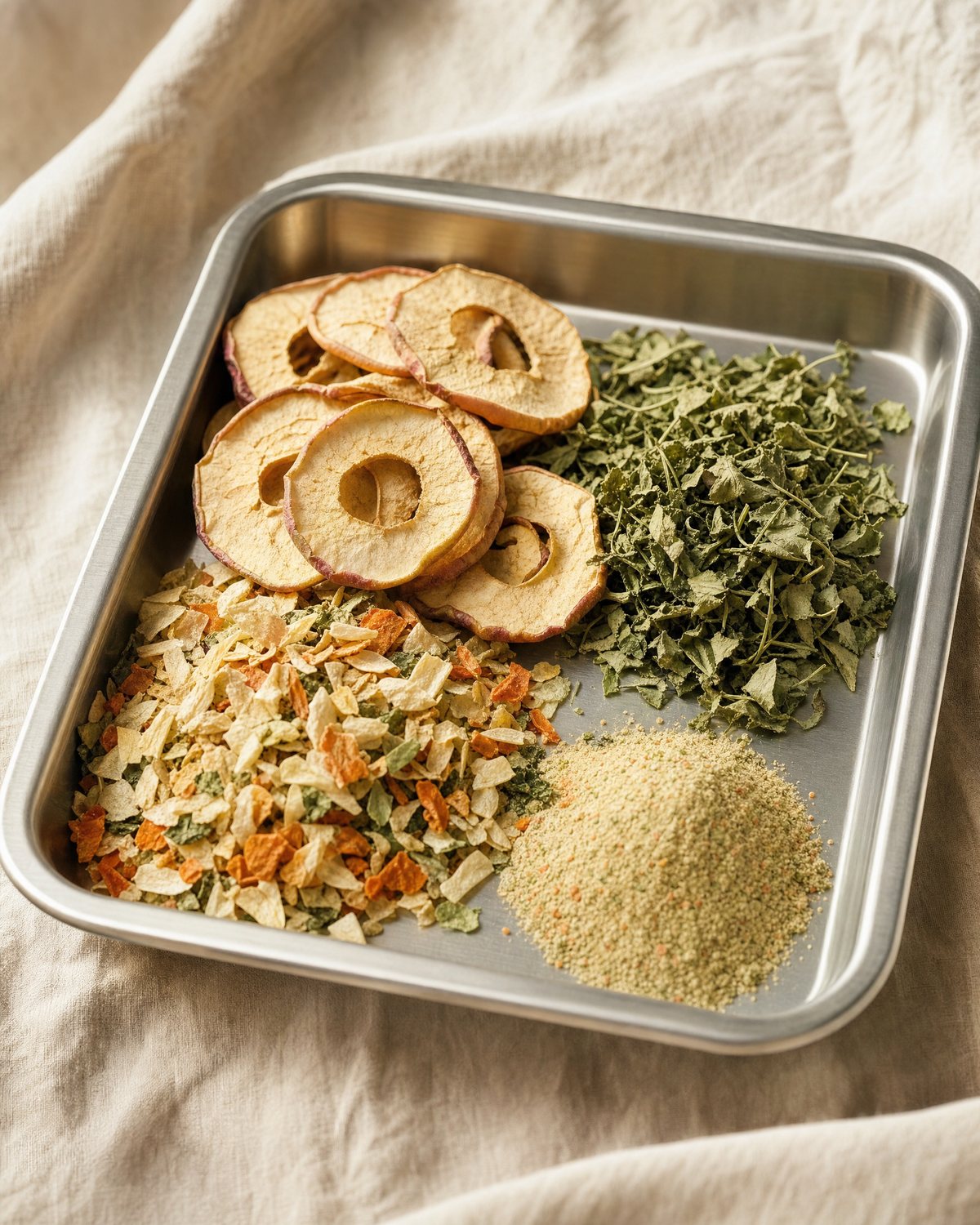
Dried produce and cricket protein hold their stability in storage and transport; cricket powder keeps for 24 months.
- 03
Less food waste through dehydration
Surplus and seasonal produce becomes an ingredient that keeps, instead of a loss.
- 04
Support for local agricultural producers
Canadian growers have a domestic processor for product that would otherwise leave the country raw or not be sold at all.
- 05
Rural manufacturing jobs
The plant employs people in Norwood, a rural community in Peterborough County, Ontario.
- 06
Canadian food sales, domestic and export
Finished ingredients sell to Canadian buyers and to export markets in North America, Europe, and Asia-Pacific.
- 07
Resilient supply chains
Canadian production shortens the chain for North American buyers and reduces dependence on imported ingredients.
Nutrition, from the specification
Cricket protein as a complementary nutrition input.
Cricket powder adds protein and micronutrients to foods people already eat. It is an ingredient, not a therapeutic product, and the figures below are from the product specification, per 100 g.
- Protein
- 67 g
- Energy
- 456 kcal (1,909 kJ)
- Iron
- 4.3 mg
- Calcium
- 230 mg
- Vitamin B12
- 38 µg
- Fibre
- 6.7 g
- A fine, uniform powder that blends into porridges, biscuits, bars, and baked goods without changing how they are made.
- Shelf-stable at room temperature for 24 months, sealed and dry, so it travels and stores where refrigeration is unreliable.
- Made from one species, Gryllodes sigillatus, raised and processed on one site, with a specification and certificate of analysis per shipment.
- Declared for allergens the way a label must: people sensitive to shellfish and crustaceans may react to crickets.
Working with food systems
Three ways to work with humanitarian and development programmes.
Entomo Farms is a commercial manufacturer that contributes to food security through what it makes. These are the three ways that contribution is offered.
Ingredient supplier
Cricket powder supplied to existing nutrition products, with the documentation a programme’s procurement requires.
Co-development
Working with product developers on nutrition products such as fortified porridges, school feeding biscuits and snacks, and maternal nutrition formats.
Local production models
Sharing what a small-footprint, single-site protein operation looks like, for organizations studying local production.
Rigour
What makes the ingredient dependable.
The controls behind every batch, stated plainly.
- Roasting is the heat step in the process; routine microbiological testing on every batch confirms the result on the certificate of analysis.
- Allergen labelling is explicit: contains crickets; may cause reactions in people sensitive to shellfish and crustaceans; may contain soy.
- A specification sheet and certificate of analysis ship with the product, and every lot code traces to a production week.
- Regulatory position by market is documented for the buyer’s regulatory team; in Canada the species is listed by Health Canada as a food with a history of safe use.
- Made under a Safe Food for Canadians licence issued by the Canadian Food Inspection Agency, following HACCP policies and procedures.
Next step
Talk to us about a food security programme.
Tell us the product, the volume, and where it needs to go. A person replies within five business days.